-
Battling for Control:
Exploiting Black Bodies in the U.S. from 1900 to 1945 Since the arrival of Africans to the Americas in the fifteen hundreds, Black identity has been defined by the Black body. Western society created a relationship with Black people in which the Black body was a source of labor, curiosity, and sexual pleasure. In the early twentieth century, Black…
-

Response. “26 years later, they apologize for crimes against communities in Riosucio”
I’ve heard about the restorative and reconciliatory justice that has taken place in the past few years since the Colombian government agreed to a ceasefire with the FARC. Most notably, Afro-Colombian communities have explored various ways to reconcile the grieve and trauma experienced at the hands of the violent insurgent group and the government. Ceremonies…
-
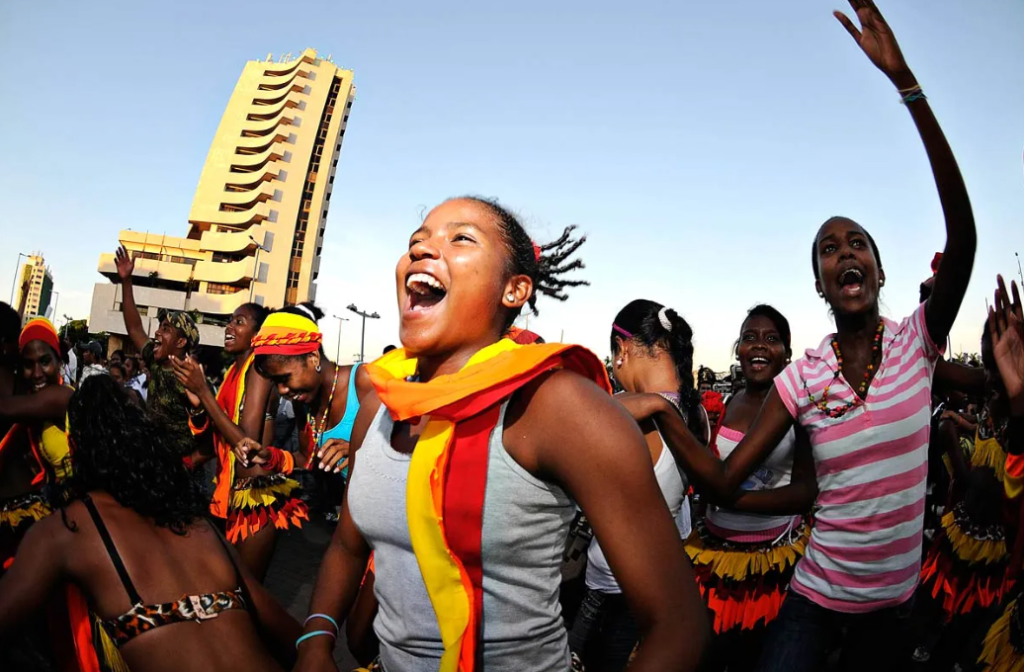
Review. “Third Party at the Table: Afro-Colombian Women’s Struggle for Peace and Inclusion” by Lisa Davis
CUNY Law School Associate Professor Lisa Davis tackles in her latest article in the Human Rights Law Review what could have been in Colombia’s Peace Accords had it included gender and racial reconciliatory provisions. Davis contends that the Peace Accords of 2016 were revolutionary not only because they brought about the end of a sixty-year…
-

A Review of Justice Jackson’s First Opinion
Justice Jackson’s first opinion gives insight into a larger question facing the equitable distribution of the proceeds of escheatment. In Delaware v. Pennsylvania, et. al, a collection of cases between states in which the Supreme Court has original jurisdiction, Justice Jackson penned her first unanimous opinion. Arguably an exercise in statutory interpretation, the Court held…
Suggestions?
 Black Discursive Offensive